

A Q&A with Second World War Historian and Battlefield Guide Ben Mayne
Over the past several years, Ben Mayne has escorted thousands to the battlefields of Europe, offering his knowledge to WW2 history enthusiasts and helping families to visit the final resting places of their loved ones.
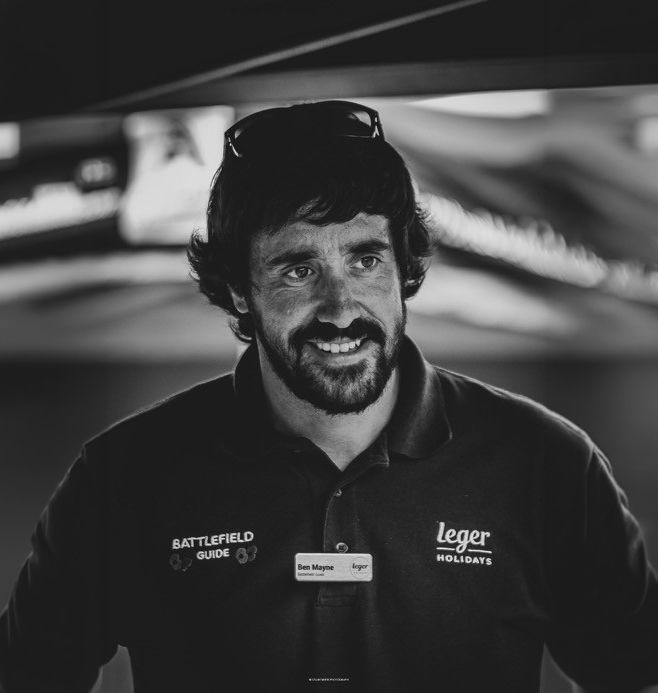
We spoke to Ben about his background, areas of interest, and his most memorable moments whilst working as a guide for us. Read on to find out what he had to say...
How did you first get into leading battlefield tours, and where does your interest in World War 2 stem from?
From a young age I have always had an interest in the history of the Second World War, influenced by my grandparents who experienced the blitz period, through to watching classic war films on a Sunday afternoon as a child.
My parents then realised that I had a growing interest and I visited the Imperial War Museum in London. As I reached my 20’s and was comfortable travelling independently, I then started to explore the battlefields of Europe.
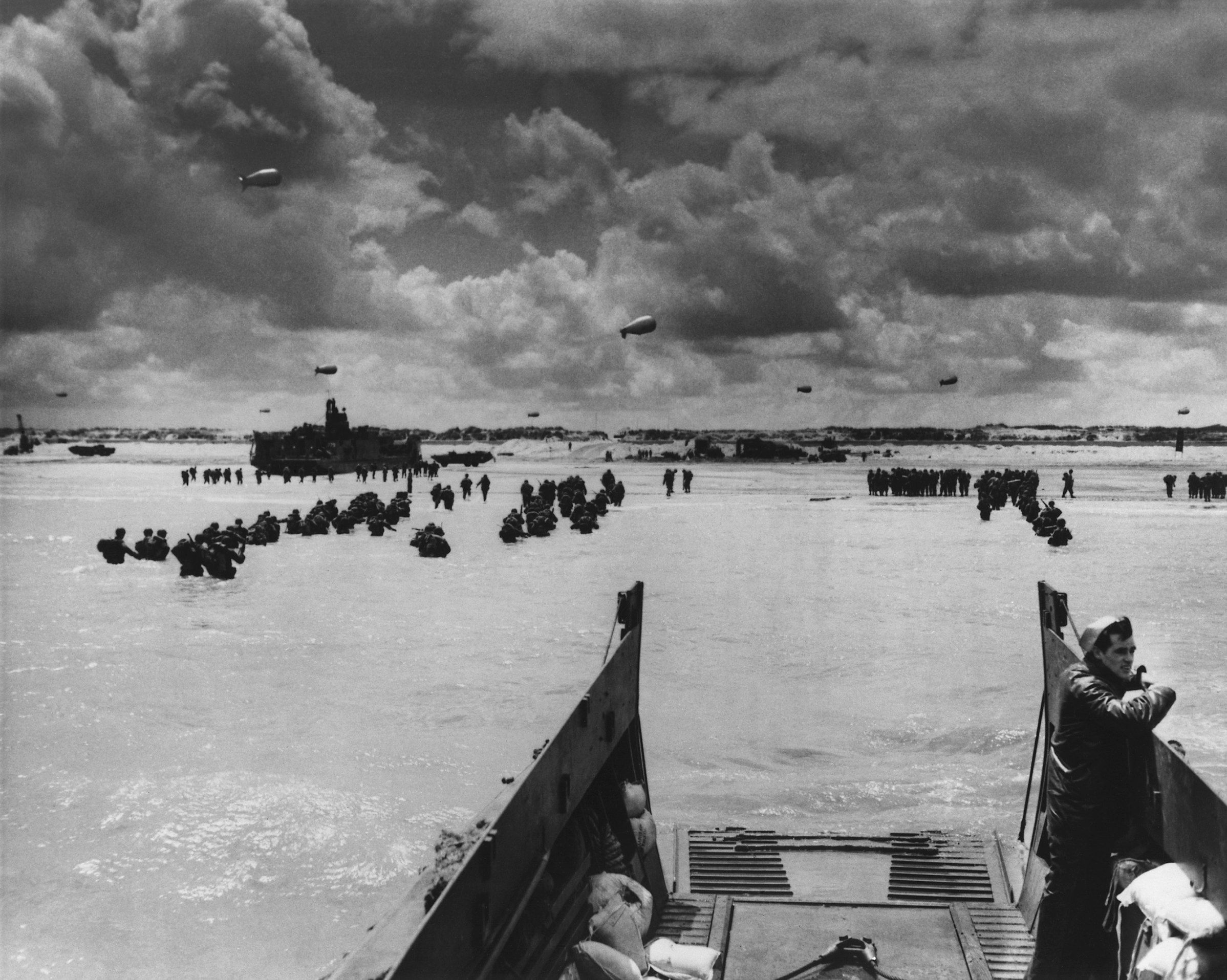
Normandy for the 60th anniversary was my first trip to the region and a pivotal moment in my life and now my career within the history field. The region and the history immediately captures you, and this was the start of my 22 years of now travelling to Normandy on a very regular basis.
In 2019, I was given the opportunity to work for Leger Battlefield Tours. It was something that had never been an option or reality up to this point. I have to say, I have never looked back.
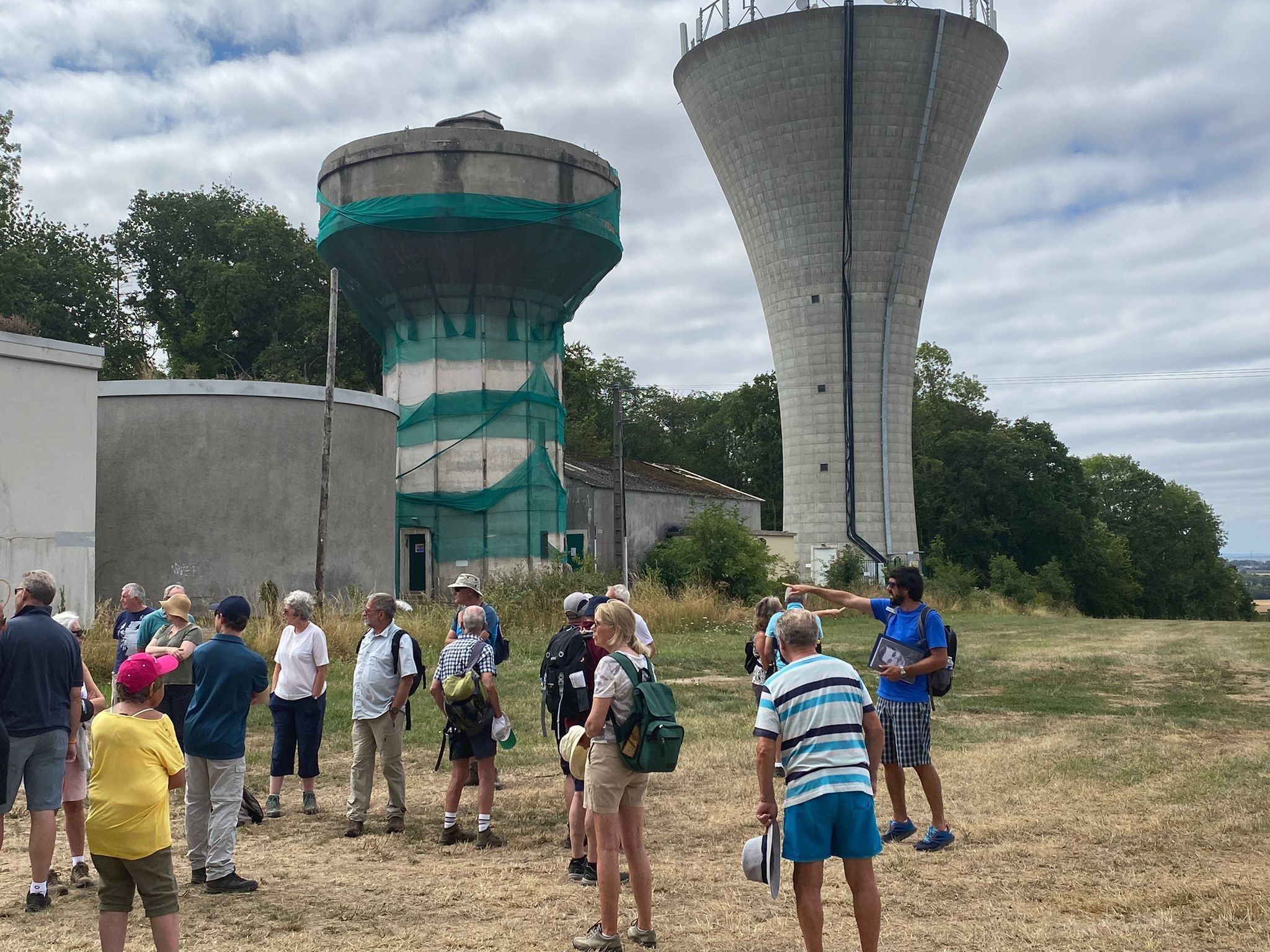
The opportunities and continuous learning and development I have been able to undertake has been an incredible journey. This is credited to Paul Reed, our head historian and guide who has trusted me throughout.
Which areas of World War 2 history are you particularly interested in?
Whilst the whole subject matter of the Second World War is of great interest, it is only natural that you start to form your own areas of interest, by that I mean air war, land campaigns or naval battles. As you conduct your own research, you get drawn to certain units, operations or even the personal stories of veterans that I have met over the years.
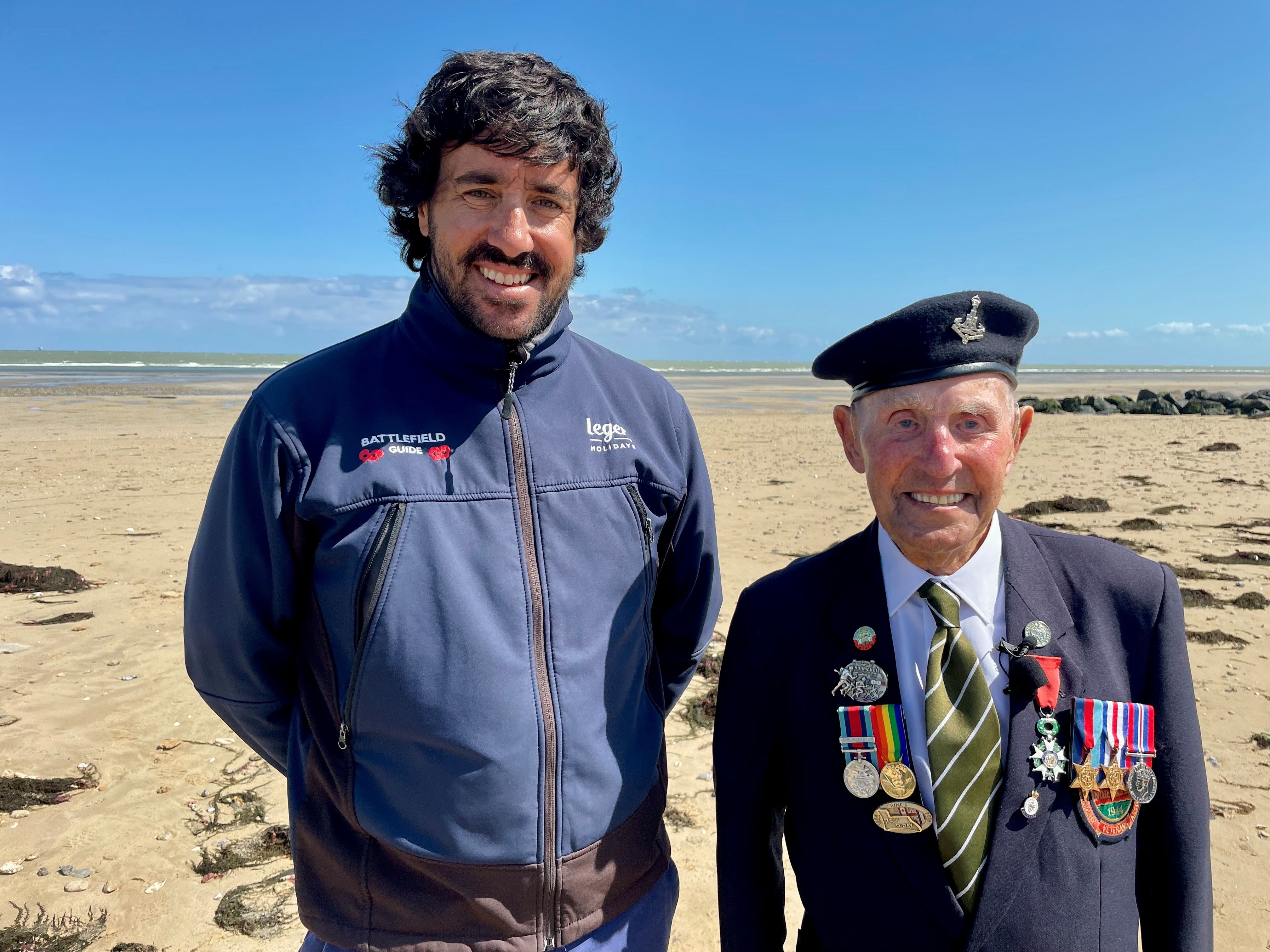
For me personally, Operation Overlord, D-Day and the Normandy Campaign has been the driver for many years and my focus. I don't think I will ever stop learning on Normandy alone, which is such a huge operation with so many Allied and German forces involved. Key interests in the Normandy campaign have been the actions of British Airborne units, Commandos and my specialist subject area, Operation Charnwood, with the liberation of the northern half of the city of Caen.
This has taken me down a path on expand around operations of Commando units and then the advance from the D-Day Landings into the final battles of the war in Germany. Another very important side, and understanding the full extent of the war, is to understand the impact from a civilian perspective. Living under German occupation, resistance and collaboration, the realities of war on families from deaths or destruction of homes. Amongst all of this, not forgetting the Holocaust and the millions lost through extermination of the Jewish people and others from different backgrounds.
In your view, how does experiencing history firsthand deepen understanding beyond what can be gained through reading alone?
I always say to my guests, especially those who are visiting the battlefields for the first time, you can sit and read at home or watch documentaries but it's not until you are physically stood on that piece of ground you have read about that it all hits home.
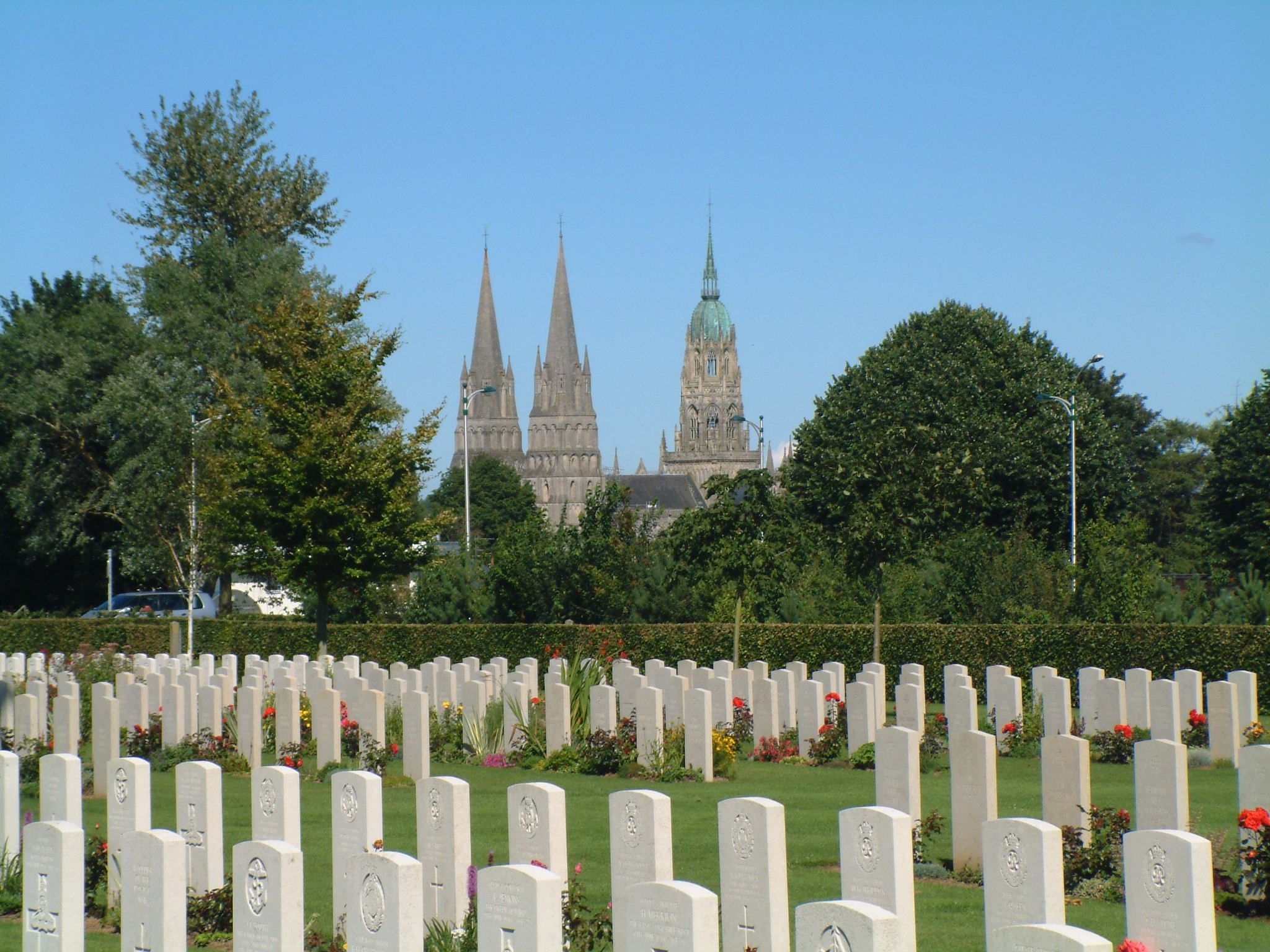
Several key points with this are the topography of the land, gaining a sense of the surroundings and being able to see the 360-degree perspective. This can be in many forms from ridges, rivers, distances of open ground, buildings through to the hedges. All these features are key to understanding what took place and how battles unfolded.
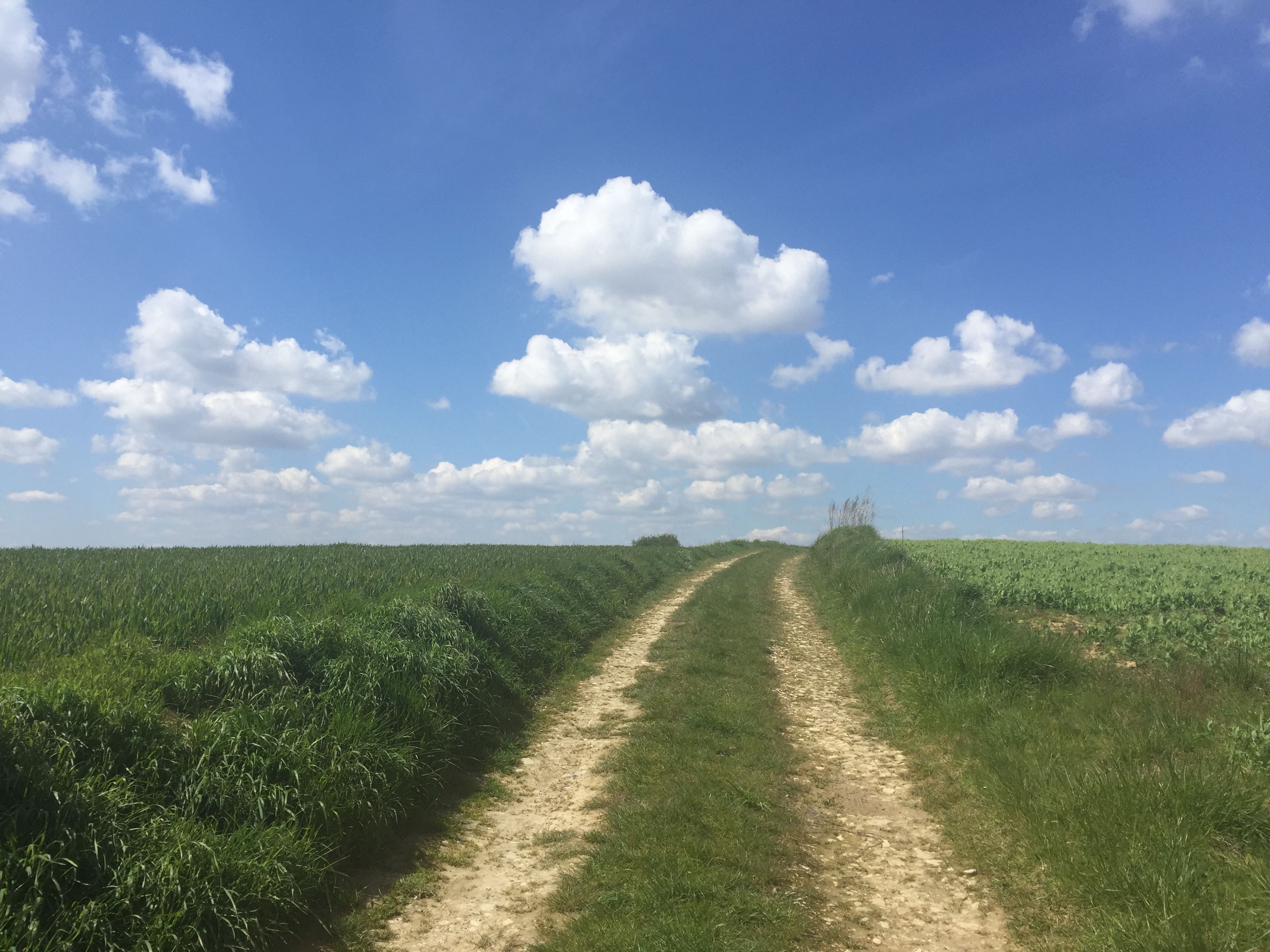
To stand on the very stop where an archive photograph has been taken to compare the differences, if any, is great. Or to be on a spot and recount a veteran's memoir or a last letter home, this cannot be experienced unless you walk the ground. It also brings a connection to these places, to walk in the footsteps. It’s so important that we continue to return, learn, reflect and remember.
Looking back on your time as Leger Battlefields Specialist Guide, which moment stands out as the most memorable?
Personally, for me, I reflect most on when I have been lucky enough to accompany the family members of those who fought during the Second World War.
Naturally, the majority of the people are returning to visit a grave or a name of an official memorial to the missing. This is why we do what we do, and it's such an important part of our role and responsibility. You also have to utilise your experience of research whilst out on the ground to sometimes expand on the limited details that families know. I always want to add further context for families that hopefully will, in turn, bring comfort to them around certain circumstances. Two stand-out moments for me have been assisting the families of Private Cyril Stubbins killed on D-Day and Captain Neville Hawkey killed in July 1944.
The family member of Private Stubbins did not know the full truth around the circumstance of his death on D-Day. The family story was that for months they did not hear anything and believed he had gone AWOL. Eventually they received the telegram confirming his death.
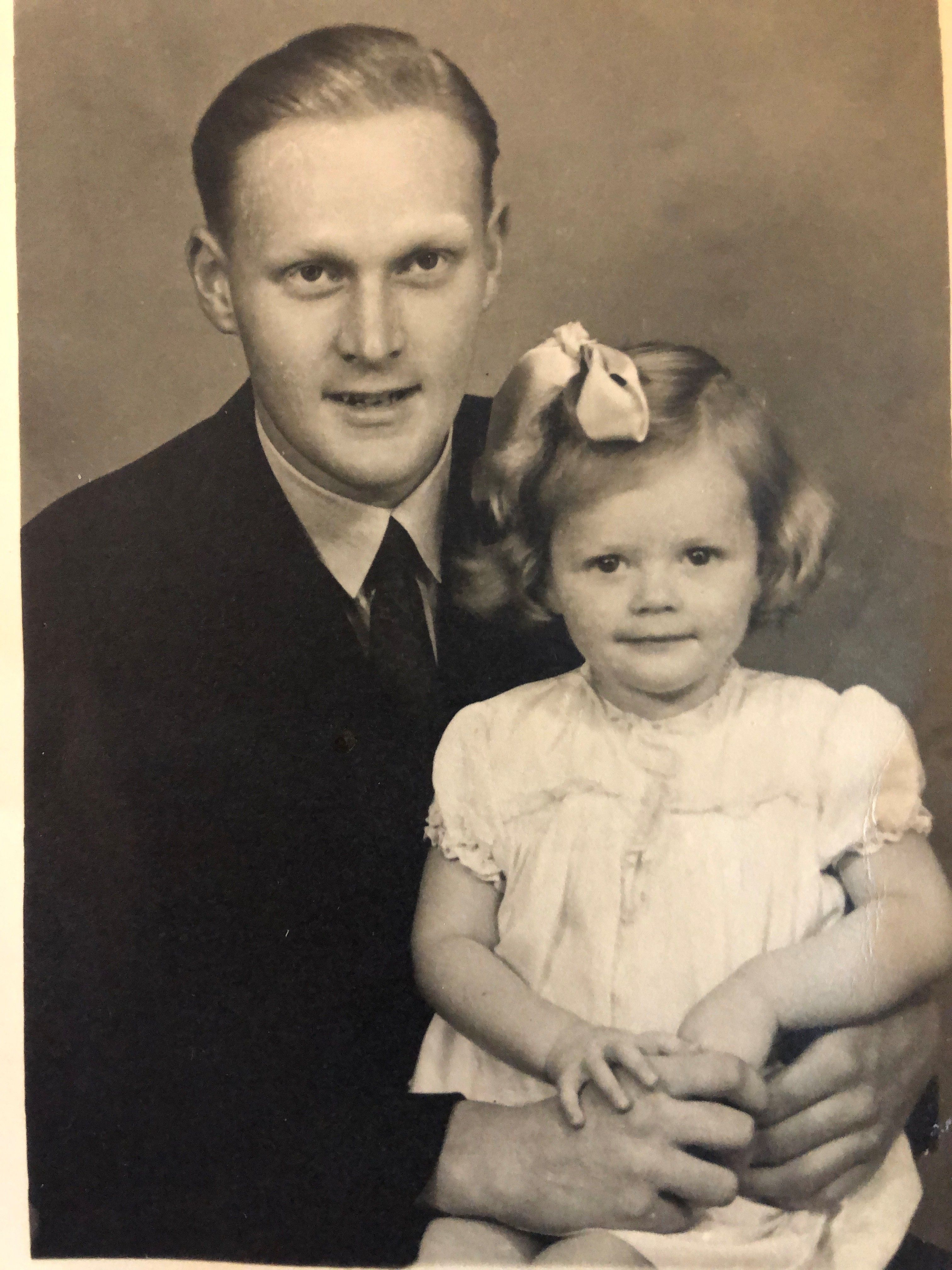
I was able to research whilst out on the tour and obtain archive details on what happened to him, and the archive reports were graphic in nature. It then left me in a dilemma as I never want to upset the family members. On this occasion, after consulting with a family friend, they wanted to know all the facts. I was able to deliver this one evening in a private environment, considering the sensitivity, and they were able to gain closure. They were grateful to hear the full story and read the archive documents. The next day we were then able to conduct a private visit for the family to his grave. It was incredibly moving, following the discussion and access to the archive files.
The family member of Captain Hawkey stated that she had been to visit her brother before at Bayeux, but this was going to be her final time. Once again, I was able to research his service that allowed us to visit his original field grave location. She had never been there.
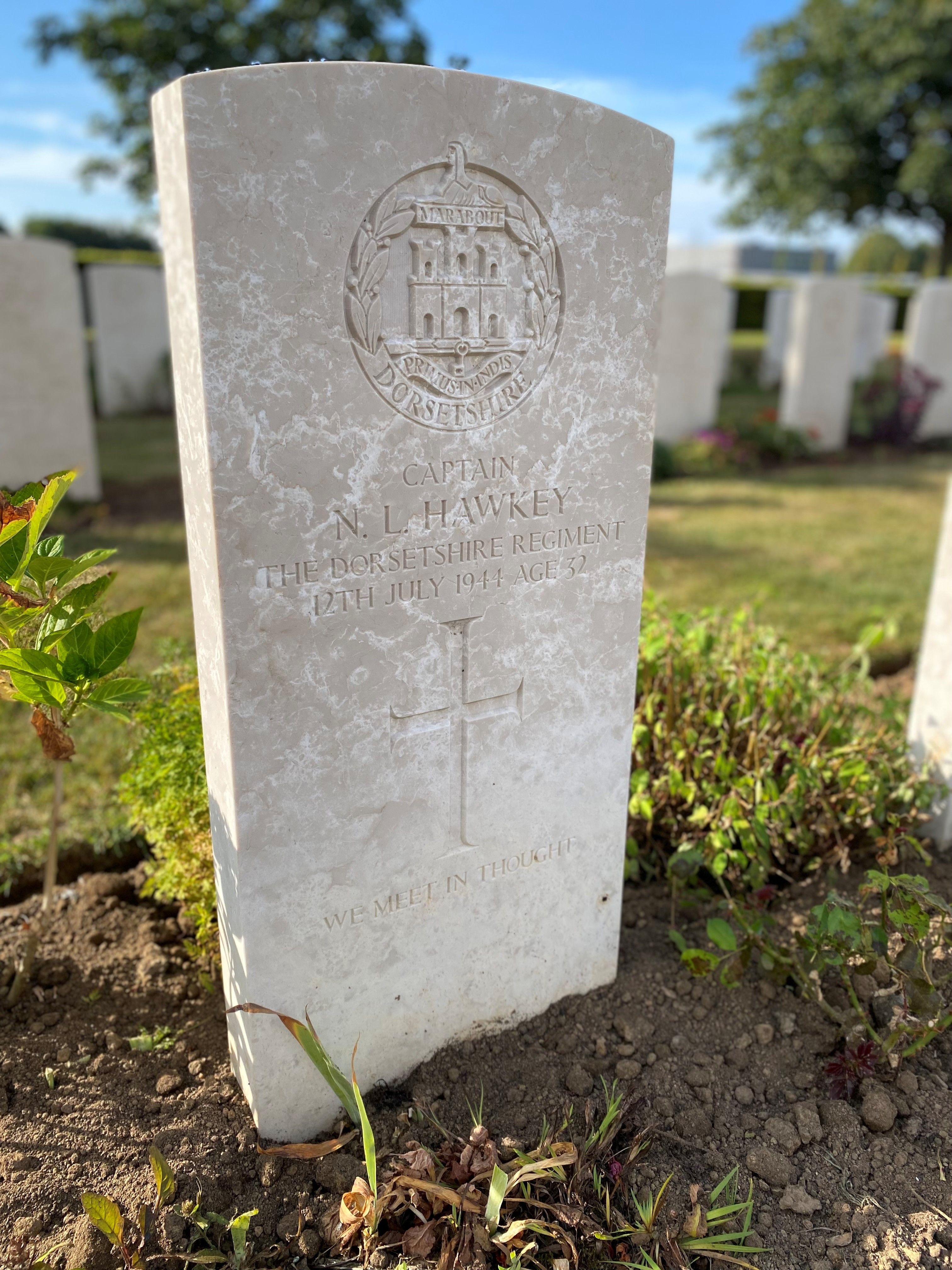
When we visited the Captain at Bayeux War Cemetery, I pointed out to her that the Gunner buried next to him was also in a field grave next to her brother, and the two of them remain side by side to this day. She reached over to his grave and touched it and thanked him for being a friend to her brother. She knew he had never been alone even in death. This bought great comfort to her, hearing it for the first time all those years later.
It’s very moving and powerful, and a privilege to be able to do this with families. Whenever I get the chance, I do go and visit Private Stubbins and Captain Hawkey, as I owe it to the families who may not be able to visit so regularly. I’m very happy as I also know their stories now.
If someone were to experience just one battlefield tour to gain a deeper understanding of the Second World War, which tour would you recommend and why?
An excellent tour to gain a greater understanding of the Second World War is obviously the Normandy Landings tour, as this introduces you to the beginning of the liberation of northwest Europe.
I then always encourage guests to follow the timeline in a chronological sequence. Operation Market Garden in the Netherlands, followed by Battle of the Bulge in the Ardennes and so on.
Leger have many tours available to cover all areas and topics, and what I recommend to our guests is always changing.
What would you recommend for seasoned battlefield visitors who are looking to go beyond the well-known sites and explore something a little more off the beaten track?
As those who have travelled with me over the years know, I like to enhance the tours to give the best experience and expand their knowledge. For tours that allow us to do this, several spring to mind. The Commando Operations of WW2 is one of my favourites. At St Nazaire, we are able to conduct a walking tour and explore where the ‘Greatest Raid of All’ took place. We are walking in the footsteps of extremely brave men on an operation that was dubbed a one-way ticket.
Another is the Walking the D-Day Beaches of Normandy tour, offering a much slower pace than the Normandy Landings. It is a superb tour to join us on, especially if you love walking the ground.
I am fortunate enough to work alongside the excellent Paul Errington as we conduct this tour and, from my perspective, this really enhances what our guests get. We complement each other very well and encourage debates on the ground between us both from the allied and German perspectives. Paul has years of experience and has been in contact with German veterans over the years, so he has some great accounts to give.
We will always try to hop through hedges, navigate through the sand dunes on the beaches moving inland, or dive into the ditches alongside the bocage. There are so many highlights on that particular tour, and I highly recommend it.